Methane is responsible for 30% of warming but receives only 2% of climate finance.
That gap is an opportunity as shovel-ready, cost-effective solutions exist today. The CC Lab helps bring those solutions to scaled implementation.
.png)
That gap is an opportunity as shovel-ready, cost-effective solutions exist today. The CC Lab helps bring those solutions to scaled implementation.
Reaching net zero in line with 1.5- or 2-degree Celsius temperature pathways is a monumental task. We work on a crucial, overlooked piece of the net zero puzzle: reducing emissions of methane, a powerful superpollutant with high global warming potential and a short atmospheric lifetime. The technology to abate certain methane emissions measurably, cost-effectively, and at scale already exists, but its deployment is constrained by an investment gap.
Our Methane Program turns untapped emissions-reduction potential into action. We accelerate proven abatement solutions that are ready to deploy and capable of delivering durable climate impact, but that remain stalled by economic, technical, or implementation barriers. We also identify and advance solutions to address high-impact, “low-hanging fruit” methane sources where targeted interventions can achieve immediate emissions reductions. By unlocking economic opportunities and building practical pathways to deployment and scale, we help ensure that viable solutions move from opportunity to execution.
Methane has an outsized effect on near-term temperature rise due to its behavior in the atmosphere, making the reduction of its emission rate one of the most effective climate solutions available today. Rapid reductions in methane emissions can buy time for the global transition to renewable energy and scale-up of carbon removal. For example, according to the United Nations’ Global Methane Assessment, curbing methane emissions by 45% would avoid nearly 0.3°C of global warming by 2045.
We focus on technically ready solutions that have been overlooked, particularly where they can deliver immediate and meaningful methane reductions. Rather than duplicate well-established efforts, we work where targeted support can fill a clear gap—helping ready-to-implement solutions reach deployment quickly, reliably, and at scale.
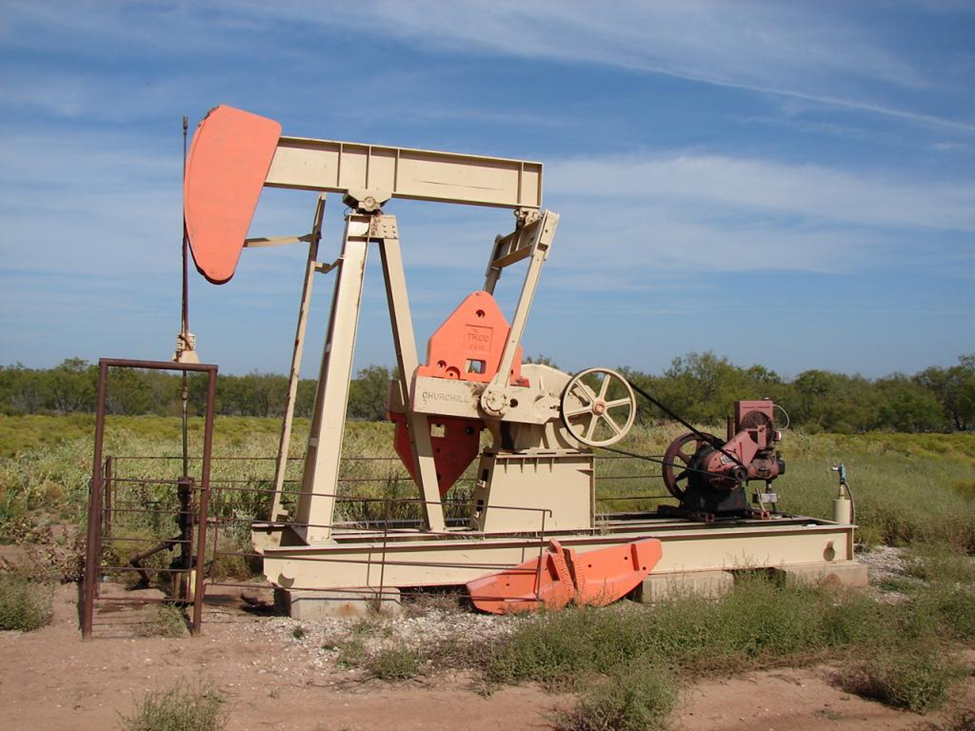
Critical knowledge gaps can limit the ability to identify, finance, and scale the most impactful methane solutions. We build the underlying science needed to better understand the climate impact of specific methane mitigation pathways and enable informed decisions by markets and regulatory agencies. We are conducting a measurement campaign in the American Southwest to determine the true life cycle emissions of orphaned wells, providing the data needed to be certain about how much methane can be avoided through plugging—a question crucial to strengthening voluntary carbon market projects and helping governments prioritize the wells that pose the greatest risks to communities and ecosystems. Our team is also evaluating the carbon intensity of methane-to-methanol systems through life cycle assessment, creating greater transparency for policymakers, investors, and fuel buyers as they consider the transition to low-carbon fuels.
.png)
Methane solutions need trusted markets to move from promising concepts to widespread deployment. We help build the market foundations that give buyers confidence in the climate value of methane abatement credits and enable more high-quality projects to secure reliable financing. We are advancing more credible voluntary carbon market methodologies for orphaned well methane abatement by quantifying the amount of methane a super-emitter releases over its lifetime, enabling more accurate estimates of methane avoided via plugging and greater confidence in the impact of resulting credits. Our team is also supporting the development of a market for methane-to-methanol by clarifying the climate benefits of methanol produced from stranded methane sources and helping position it as a low-carbon fuel alternative.
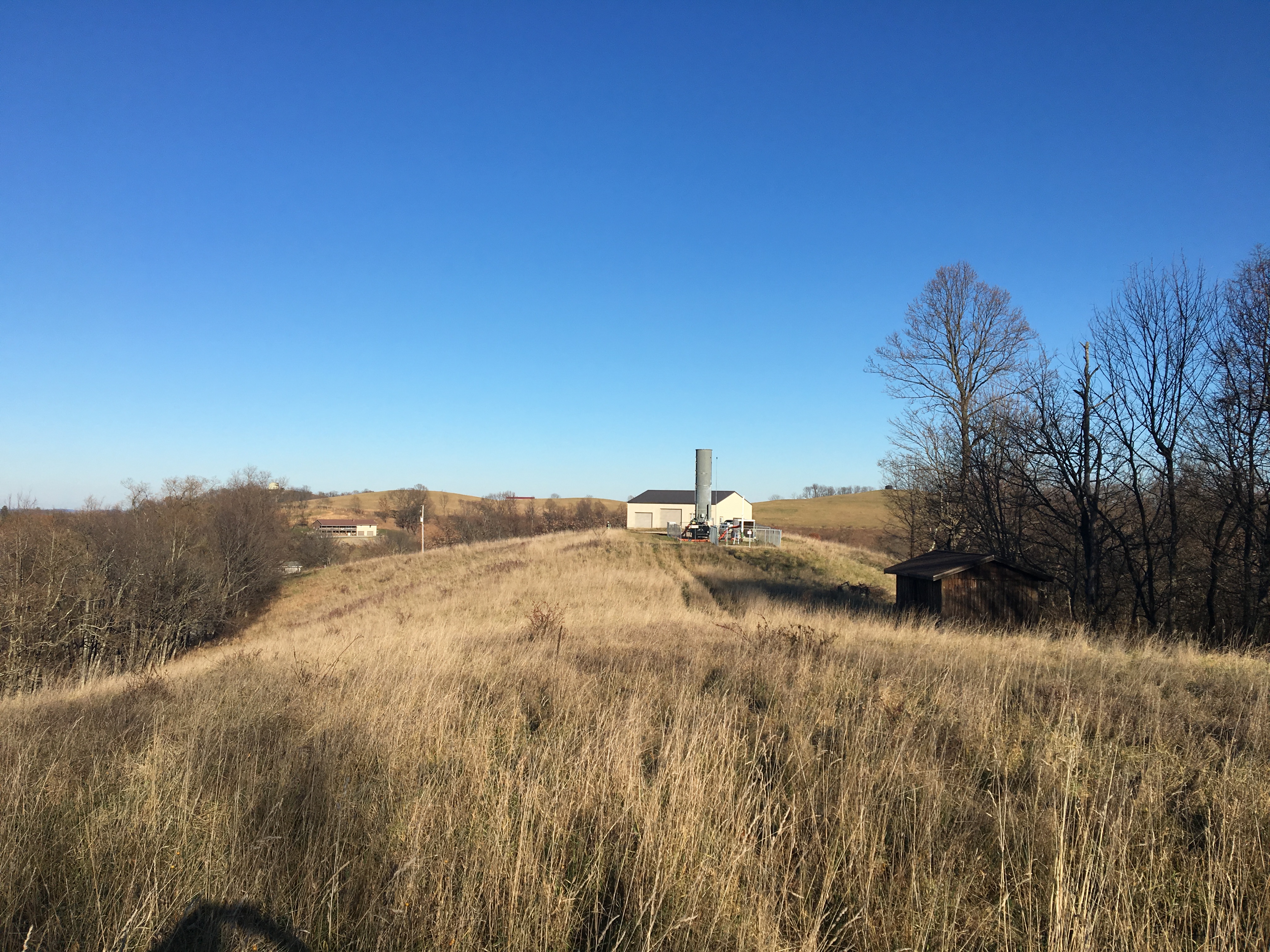
Methane solutions with the potential for immediate, cost-effective emissions reductions can struggle to attract the financing needed to get off the ground. We work with partners to direct capital toward overlooked opportunities where the path to meaningful methane reductions is clear, but reliable financing is lacking. For instance, our work has directed financing of methane destruction at coal mines in the U.S., where emissions remain unregulated and voluntary carbon market projects can deliver low-cost, permanent, and verifiable methane reductions. By helping bring financing to solutions that are ready to move but lack needed capital, we are helping turn disregarded opportunities into real-world reductions.
Scaling methane solutions requires practical tools and approaches that can be replicated across projects, states, and global markets. We help create the conditions for others to identify opportunities, make informed decisions, and bring solutions to scale. In the orphaned well space, we are developing a model to identify wells most likely to be super-emitters, helping the state of New Mexico prioritize the wells with the highest emissions. We are also creating an interactive tool that will allow regulators across the U.S. to apply this approach to their own orphaned well populations. In parallel, our team is reducing uncertainty around the climate impacts of low-carbon fuels, supporting the development of drivers toward impact—both regulatory and market-based in the space.