How Marine Fuel Choices are Accelerating Arctic Warming
By: Nicole Gotthardt, Berta Lascuevas Laguna, & Justin Freiberg
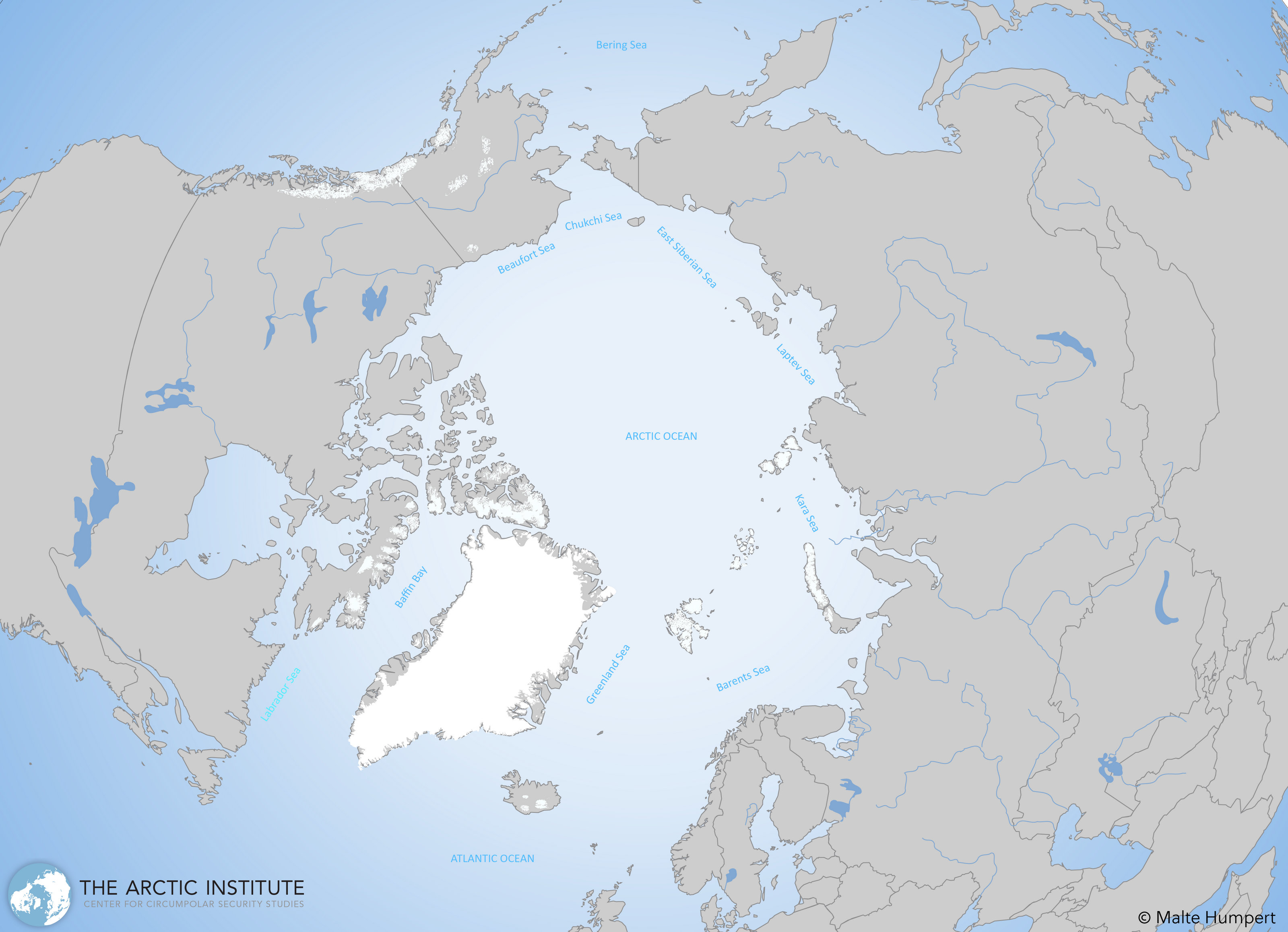
Background image at the top of this article belongs to The Arctic Institute.
What ships burn matters. Traditional fossil-derived marine fuels warm the planet and harm communities through air-polluting particles such as black carbon, a powerful short-lived climate pollutant that accelerates Arctic warming. Replacing heavy fuel oil with low- and zero-carbon fuels is one of the most effective ways to both improve air quality and mitigate climate warming.
What is Black Carbon?
Black carbon (BC), commonly referred to as soot, is a strongly light-absorbing component of particulate matter (PM). BC forms through the incomplete combustion of fossil fuels, biofuels, or biomass by diesel engines, coal plants, or forest fires. When BC is released, it is co-emitted with other harmful pollutants and greenhouse gases, such as carbon dioxide (CO2), nitrous oxide (N2O), and sulfur oxides (SOx).
Although BC has a short atmospheric lifetime of four to twelve days, it has a tremendously strong warming impact: 1,500 times stronger than CO2 over twenty years on a ton-for-ton basis.[1] According to the IPCC, this strong warming effect has made BC the third largest contributor to climate change to date, behind only CO2 and methane (CH4).[2] By directly absorbing sunlight and releasing that energy as heat, BC warms the air and surfaces in regions where it is concentrated. BC indirectly warms by altering cloud properties and decreasing the albedo, or reflectivity, of the surfaces it lands on.
If you’re interested in learning more about BC, check out our previous post, which explores its climate and health impacts, policy considerations, key emitting sectors and solutions, and the groups working to reduce emissions. Read it here: https://carboncontainmentlab.org/updates/posts/black-carbon-an-introduction-to-a-high-impact-super-pollutant
Black carbon emitted from maritime shipping endangers the climate and health of Arctic communities.
BC emissions from Arctic shipping have increased by 85 percent between 2015 and 2019,[3] even as Arctic States overall reduced collective BC emissions by 20 percent as of 2018.[4] Emissions from sectors such as heat generation and residential fuel are declining due to the adoption of clean technologies like improved cookstoves and scrubbers. In contrast, shipping emissions continue to grow as clean technologies struggle to keep pace with increasing vessel traffic. Much of this increase is driven by new maritime routes opening as sea ice melts, as well as new resource extraction in the region. Between 2013 and 2025, the distance sailed by ships in the Arctic grew by 95 percent, rising from 6.1 million to 11.9 million nautical miles.[5]
BC emissions from ships pose serious risks to the climate. When BC settles on snow and ice, it darkens these reflective surfaces, causing them to absorb more sunlight and melt faster. In this state, BC’s warming impact increases seven- to ten-fold compared to when it remains in the atmosphere.[6] The surge in Arctic shipping creates a dangerous feedback loop: more vessel traffic leads to more BC pollution, contributing to additional warming and ice loss.
BC emissions from ships also pose serious risks to human health. Vessel emissions remain concentrated in the lower atmosphere, where people are directly exposed to toxic BC particulates. These fine particles can penetrate deep into the lungs and carry toxic compounds into the bloodstream. Long-term exposure to BC is linked to major negative health outcomes, including heart disease, lung cancer, asthma, lower respiratory infections, and adverse birth outcomes.[7]
![Increased Arctic Gas Tanker Traffic. From Cook, J., 2026. [5]](/assets/yamal_oil_project.720x0-1774382231.jpg)
Without a transition to alternative marine fuels, BC emissions will continue to rise as shipping traffic increases. Most vessels in the Arctic (74%) still run on heavy fuel oil (HFO), a thick, tar-like waste substance from the oil and gas refining process.[8] Burning HFO releases PM (including BC), CO2, NOx, and SOx. See the figure to the left for Arctic BC emissions.[9]
Exhaust treatments—such as scrubbers (which target SOx) and diesel particulate filters (which target PM)—can reduce BC emissions from HFO. While these measures can reduce emissions in the near term, they do not address the underlying carbon intensity of marine fuels. As a result, they risk prolonging reliance on HFO and delaying the transition to fundamentally lower-carbon alternatives.
![BC Emissions in the Arctic. From Dalakis, D., et al. 2023. [9]](/assets/1-s2.0-s0308597x24005657-gr1_lrg-1774383733.jpg)
The adoption of low-carbon marine fuels, alongside effective environmental policy, can significantly curb BC emissions.
Policymakers have attempted to address BC emissions through targeted regulations in sensitive regions such as the Arctic, but these measures have yet to prove fully effective. In 2024, the International Maritime Organization (IMO) introduced a ban on HFO use in the Arctic to reduce BC emissions and limit the risk of oil spills in fragile ecosystems. However, the policy includes exemptions through 2029 that allow an estimated 74 percent of the HFO-fueled fleet to continue operating in Arctic waters.[10] These exemptions, along with evolving implementation timelines, create uncertainty around the near-term impact of the policy on BC emissions in the region.
Several additional policy tools could help reduce BC emissions in the Arctic, including stronger enforcement of the Polar Code (the international code for ships operating in Arctic waters), improved implementation of the Arctic Council’s framework for monitoring and mitigating BC and CH4 emissions, and the establishment of Arctic-specific emissions limits or Emission Control Areas (ECAs). However, these measures have not been implemented yet. While regulatory tools can help curb emissions, the most effective long-term solution is replacing residual marine fuels altogether.
The most promising solution for widescale BC mitigation from the shipping industry is transitioning to alternative green fuels. Green—i.e., low- and zero-carbon fuels—such as liquefied natural gas (LNG) or bio-LNG, green methanol, ammonia, and green hydrogen—emit negligible amounts of PM, coupling immediate BC reductions with long-term decarbonization. Importantly, these fuels align with tightening carbon-intensity standards set by the International Maritime Organization (IMO) and the European Union (EU)—standards that incremental solutions such as scrubbers cannot meet on their own—making early fuel switching a more durable compliance strategy. Clean fuels help ships meet these requirements, accelerating the maritime industry’s progress toward net-zero. While policy frameworks such as the IMO’s net-zero targets and the EU’s FuelEU Maritime regulation are beginning to create incentives for adoption, additional policy support will be needed to ensure low- and zero-carbon fuels can compete with fossil fuels at scale. In our next post, we will break down how these policy frameworks can drive meaningful change across the shipping sector.