By 2050, half of the global population could face extreme heat and will require cooling.
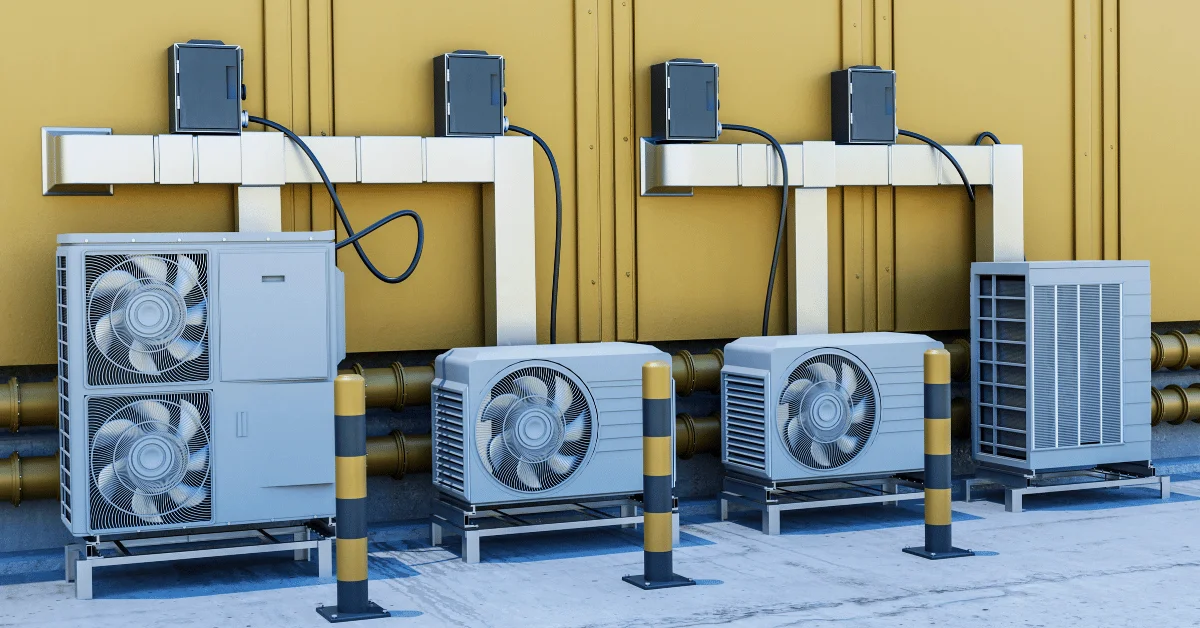
Today's cooling systems rely on refrigerant gases with extremely high global warming potential and consume a massive amount of peak load energy.
.jpg)
Today's cooling systems rely on refrigerant gases with extremely high global warming potential and consume a massive amount of peak load energy.
Providing cooling is one of the fastest-growing sources of climate pollution on Earth. Refrigerants used in air conditioners, refrigerators, and industrial chillers—many of them hydrofluorocarbons (HFCs), hundreds to thousands of times more potent than CO2—leak throughout their operating life and are frequently vented or abandoned at end-of-life. We focus on both sides of the cooling emissions equation: keeping high-GWP refrigerants out of the atmosphere once they exist, and accelerating the shift to alternatives that don't require them in the first place and that save energy by doing so.
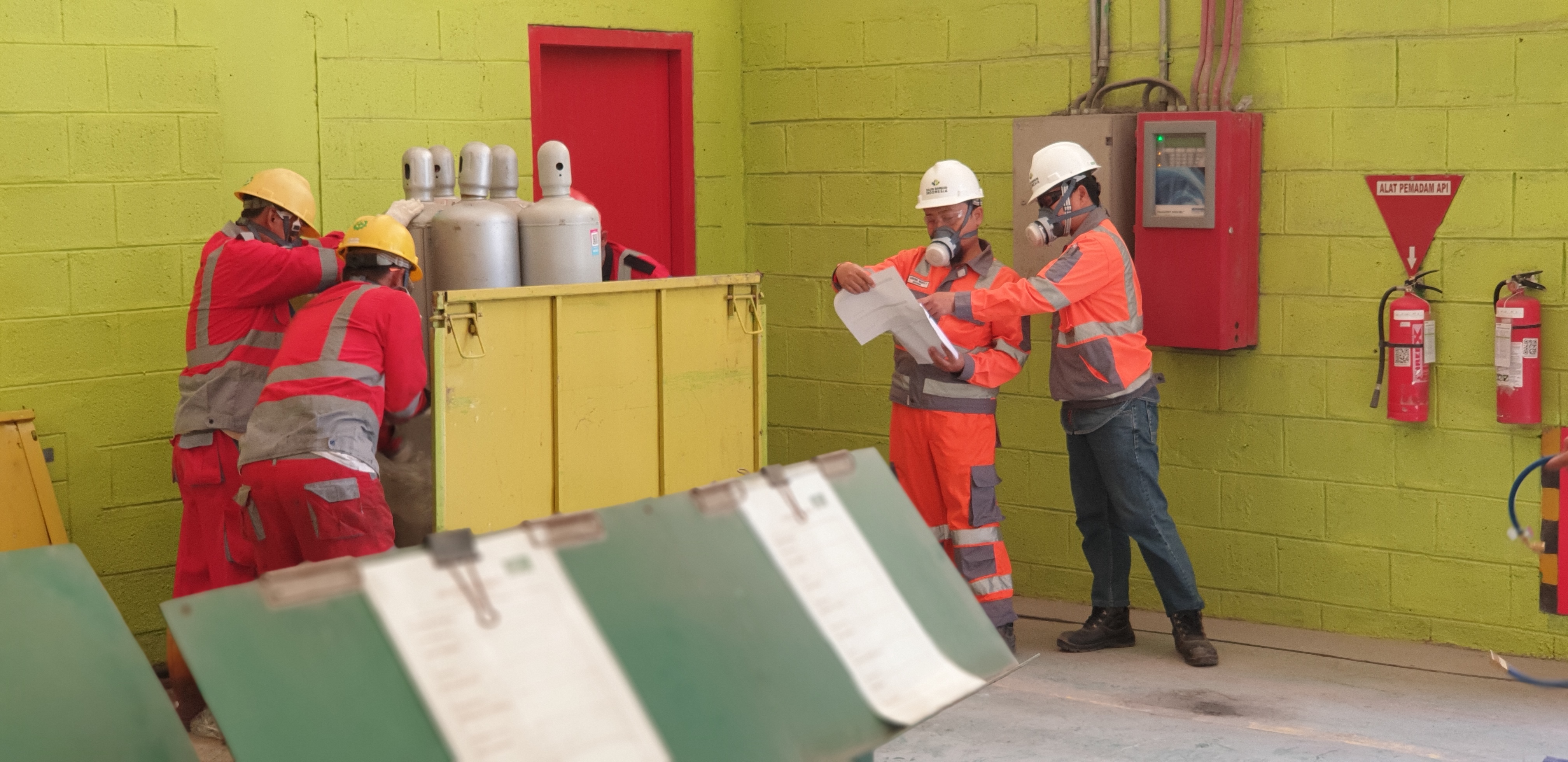
Our Cooling Program aims to build the market infrastructure, destruction capacity, and technical pathways needed to close the gap between climate-friendly cooling policy and real-world deployment. We do this by developing high-integrity carbon market mechanisms for refrigerant recovery and destruction, expanding the physical capacity to recover and then safely reclaim or destroy banked refrigerants, evaluating and de-risking alternative cooling technologies, and convening the researchers, policymakers, and industry stakeholders who are working to solve this problem together.
Demand for cooling is rising fast—driven by a warming climate, growing middle classes, and expanding cold chains—and the refrigerants at the heart of most cooling systems are potent greenhouse gases. Because these gases are already manufactured, sold, and banked in millions of existing systems, a large share of future emissions is effectively already "in the pipeline," making end-of-life recovery and destruction just as urgent as switching to lower-GWP alternatives going forward.
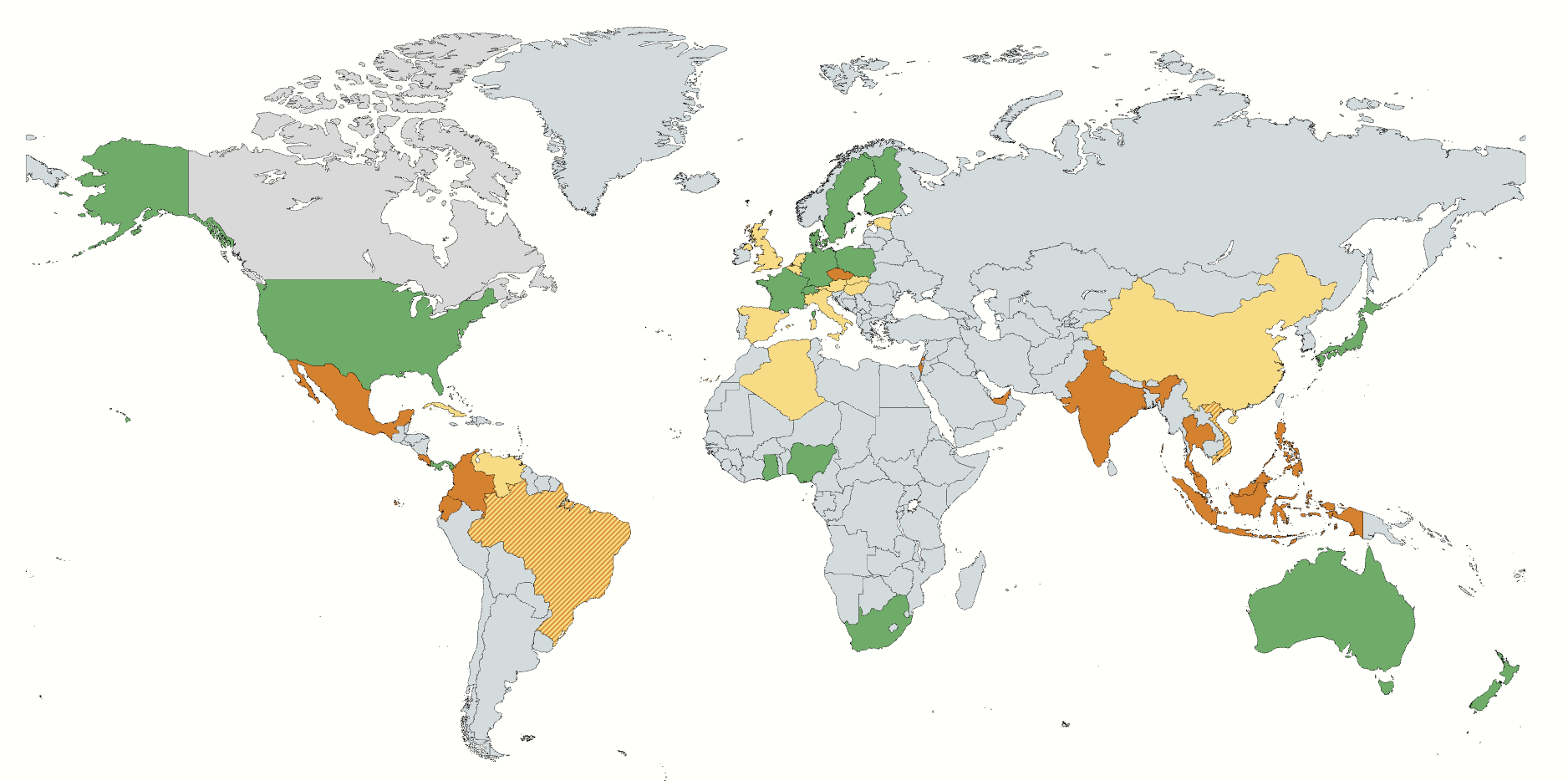
At the same time, cooling emissions sit at an unusual intersection of climate policy, chemistry, and market design. The Kigali Amendment and similar policies are phasing down HFC production, but phase-down schedules alone don't guarantee that refrigerants already in circulation get captured and destroyed rather than vented. We focus on closing that gap — building the markets, capacity, and technology that turn cooling policy into measurable climate benefit.
High-integrity carbon markets can make refrigerant recovery and destruction economically viable at scale, but only if credits are backed by rigorous, verifiable accounting. We work to strengthen the methodologies, data, and standards that underpin refrigerant-destruction credits, helping ensure that market incentives translate into real, additional, and durable emissions reductions rather than paper claims.
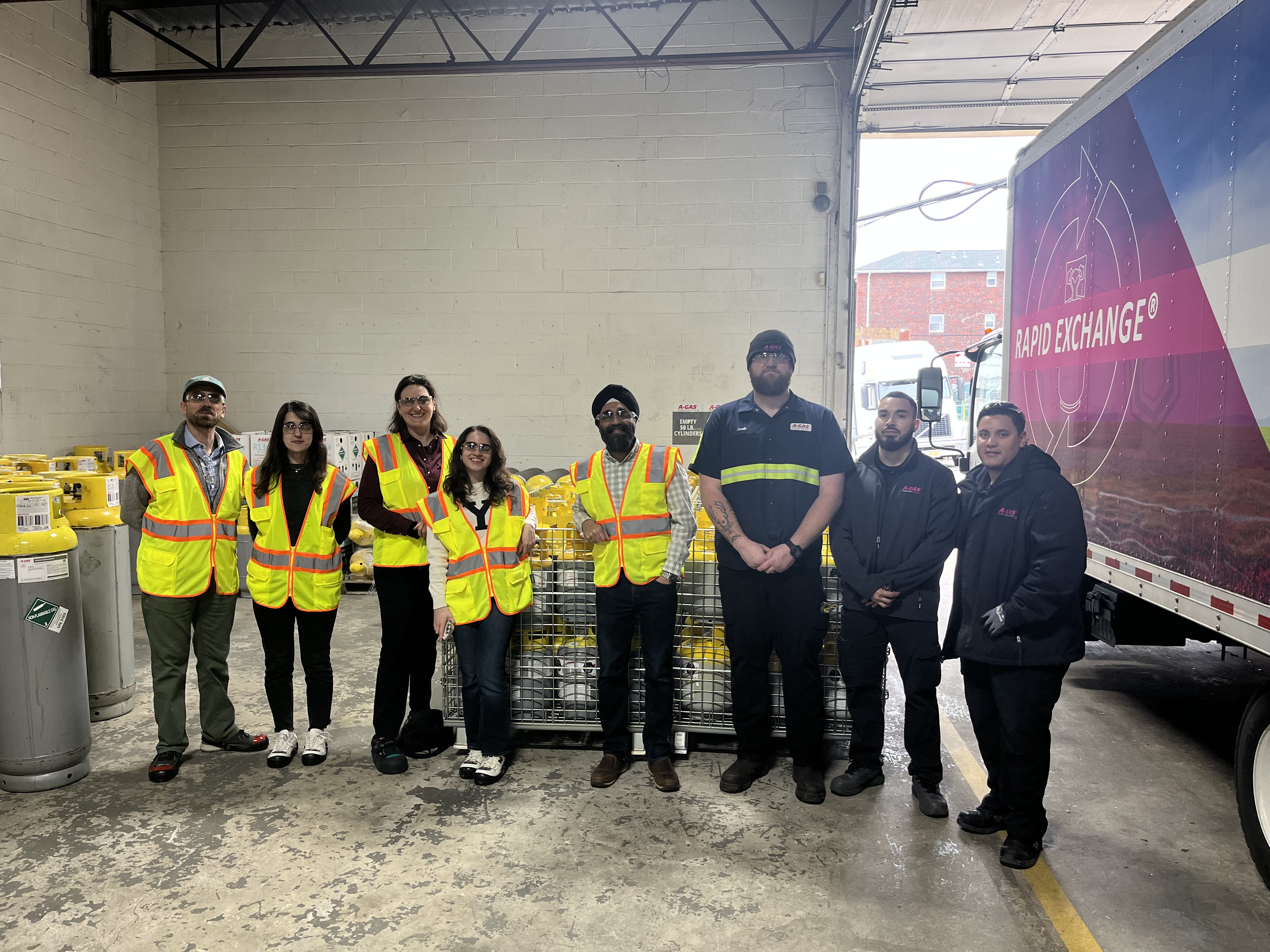
Even with strong market incentives, refrigerants can only be kept out of the atmosphere if there is enough physical capacity to safely collect, transport, and destroy them. We assess bottlenecks in the current destruction supply chain—from collection logistics to facility availability—and support efforts to expand safe, verifiable destruction capacity where it's needed most.
Reducing reliance on high-GWP refrigerants over the long term means investing in what comes next. We evaluate the technical readiness, cost, and climate performance of alternative cooling technologies and lower-GWP refrigerants, helping identify which approaches are ready for near-term deployment and where further research and investment is still needed.
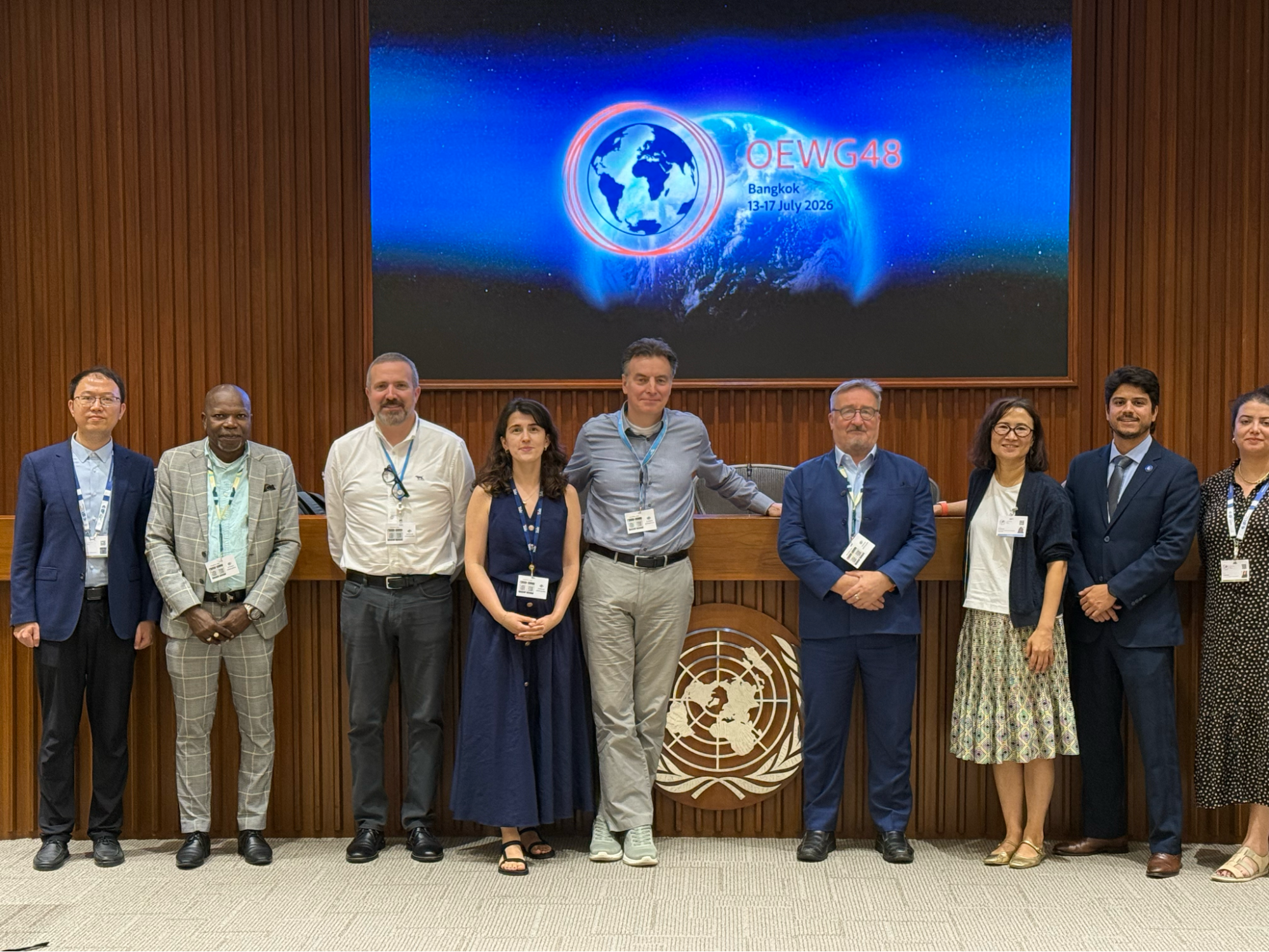
Progress on cooling emissions depends on collaboration across science, policy, industry, and finance. We convene the Yale Cooling Conference to bring these stakeholders together, share the latest research and market developments, and build the cross-sector relationships needed to move solutions from concept to deployment.

.jpg)
![oil-well-(again)].jpg](/assets/heros/oil-well-(again)].jpg)
.jpg)



The challenges in this space are inherently interdisciplinary, requiring coordination across science, policy, operations, and finance. We work with partners across sectors and at every stage—from early research and market design through pilot deployment and destruction infrastructure.
.jpg)