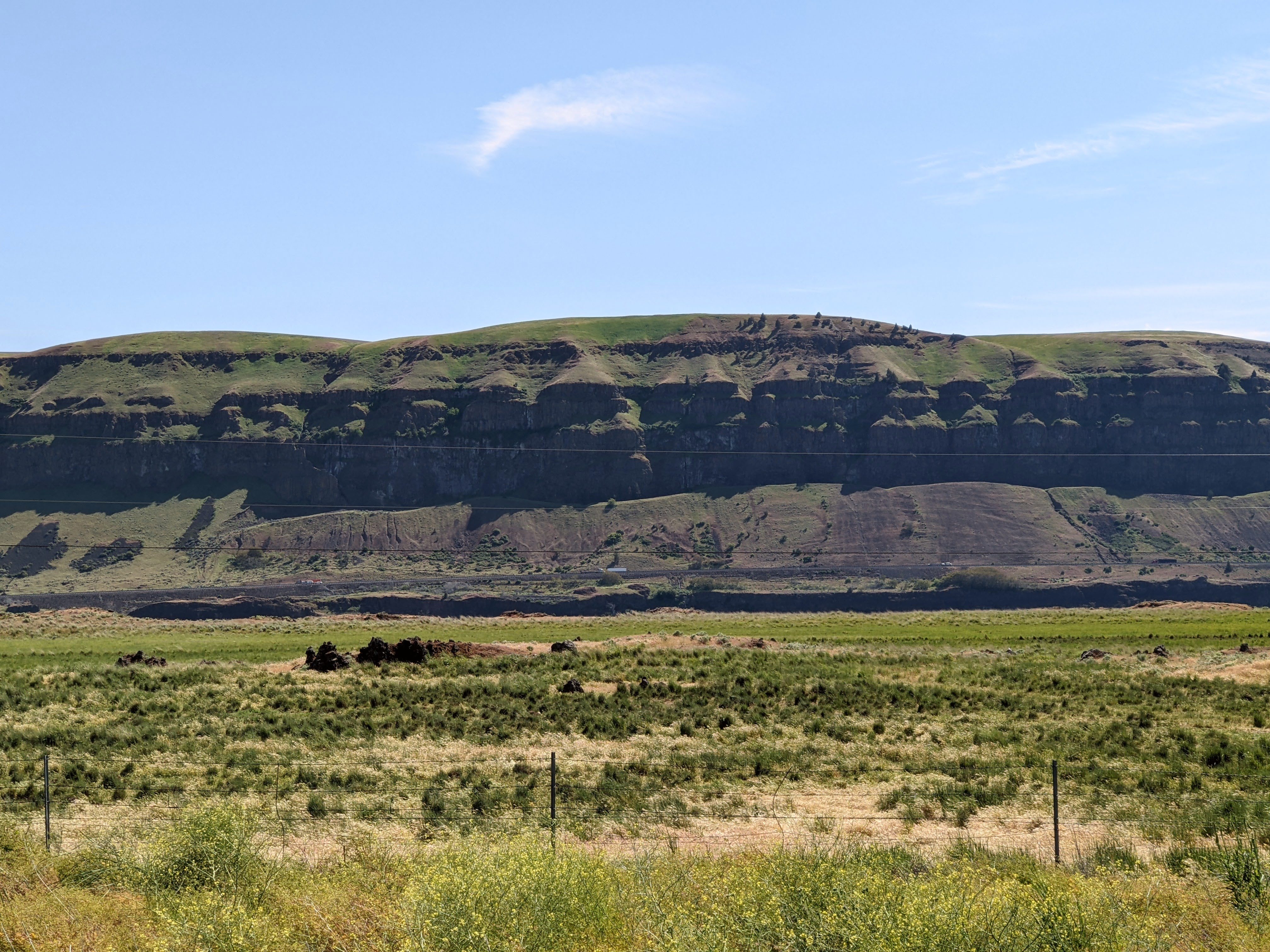
About the TrapRock Report
On the cusp of rising temperatures and electricity demand, Washington State faces a challenging dual imperative: meeting its laudable climate goals while continuing to deliver clean, affordable, and reliable energy to its residents. Our newly published report, TrapRock: Enabling Geologic Carbon Sequestration on Washington State’s Trust Lands to Meet Its Climate and Clean Energy Commitments, lays out a clear path to do both.
Washington is underlain by world-class basalt formations capable of safely and permanently storing for millennia CO2 captured or removed from the atmosphere, but significant siting, regulatory, and other impediments thwart development of a geologic storage industry.
The TrapRock Report comprehensively assesses the feasibility of geologic carbon sequestration in Washington. This report ultimately proposes formation of a public-private partnership to eliminate the impediments facing this industry and to expedite development by making select state trust lands available for siting. We believe that a coordinated effort among government, nonprofit, academic, and industry partners could opportunely position Washington as a global leader in GCS.
--
Cite this report as: Gavin, Meghan E., Selin Gören, Nicholas Davies, et al., TrapRock: Enabling Geologic Carbon Sequestration on Washington State’s Trust Lands to Meet Its Climate and Clean Energy Commitments, ed. Carbon Containment Lab (2025).
The Carbon Containment Lab values sharing analyses and proposed solutions to encourage collective action in the global fight against climate change. Therefore, interested parties may reference, redistribute, and build upon this report through the Creative Commons CC BY-SA 4.0 license.
 Meghan Gavin
 Selin Gören
 Nick Davies