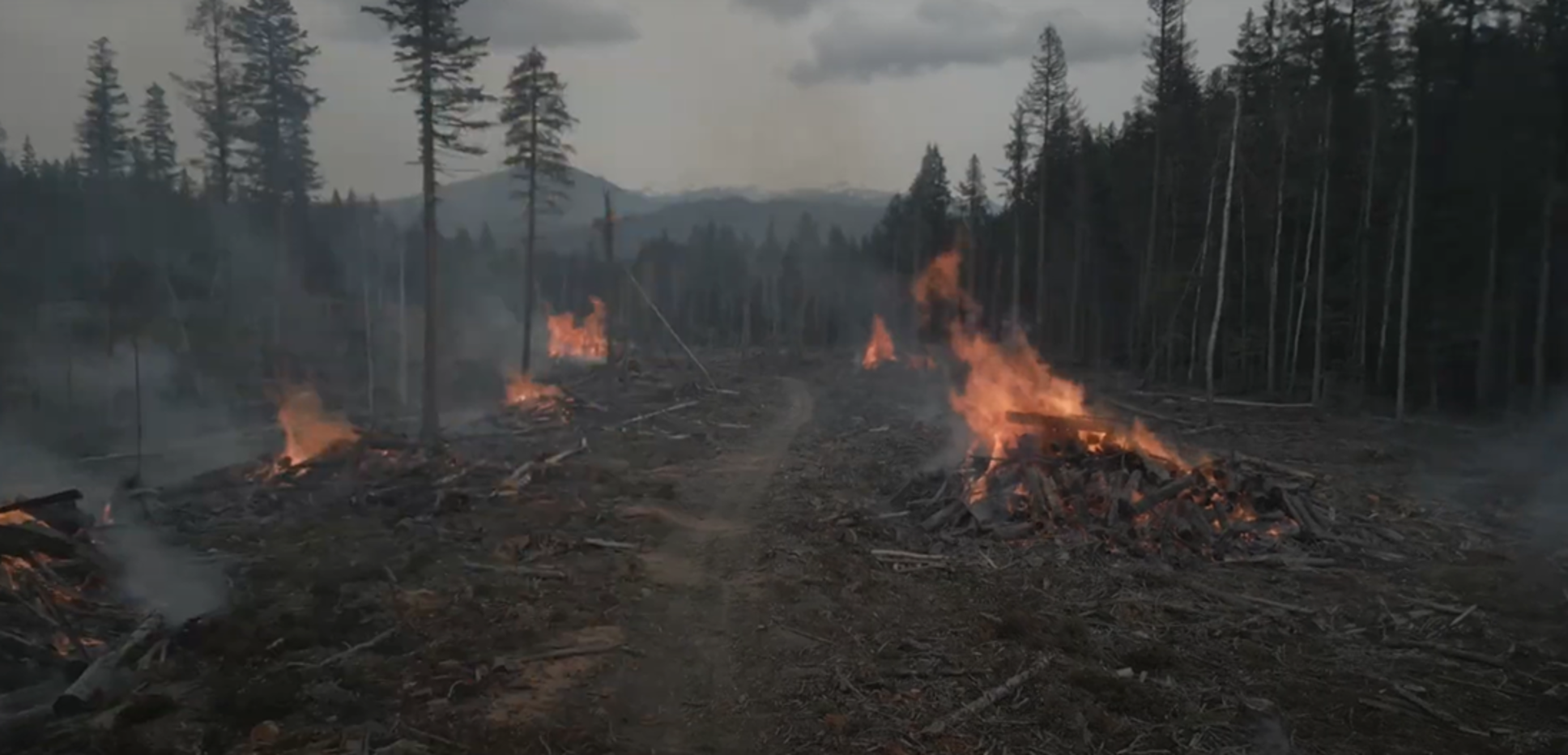
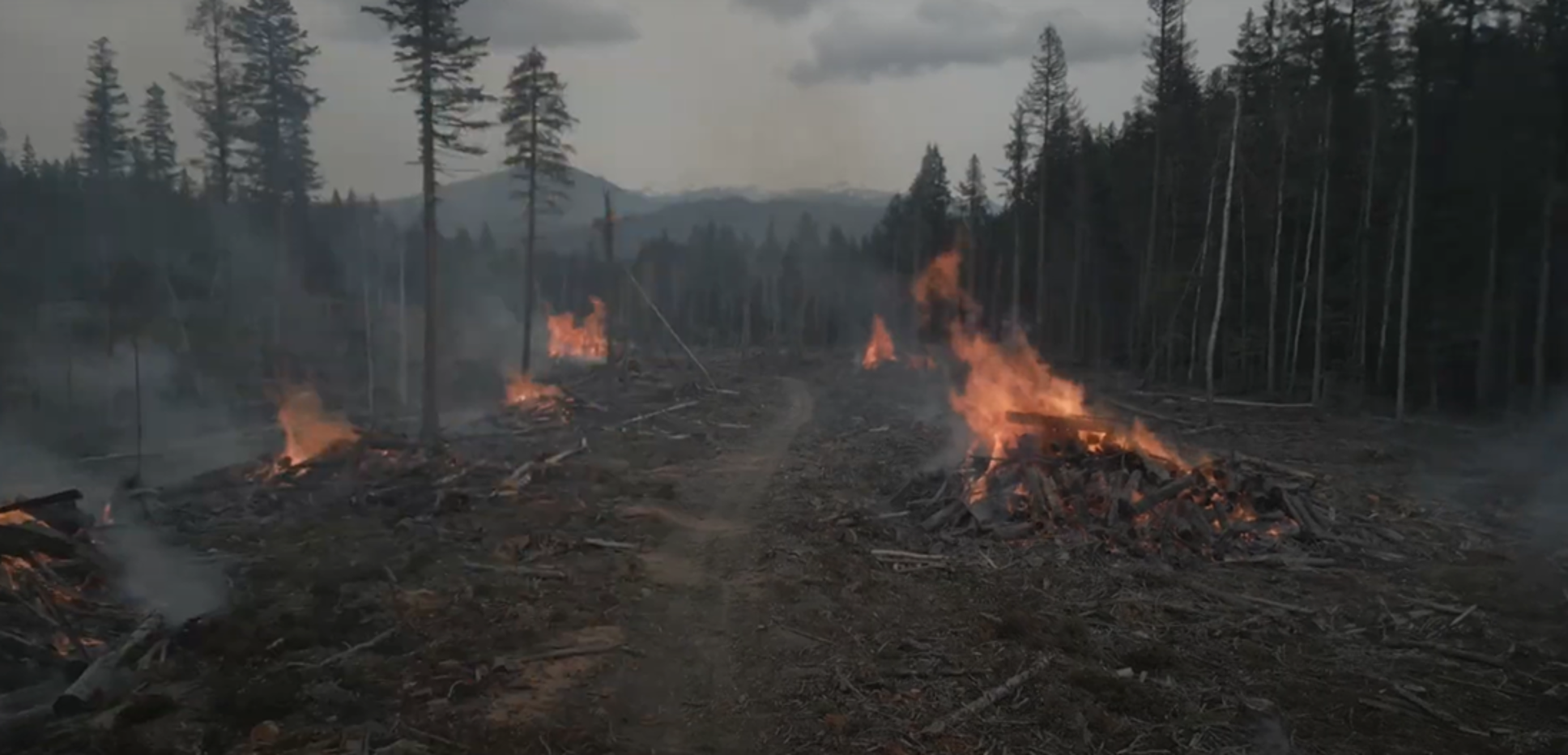
Biologic Program assesses costs associated with pile burning practices in high risk firesheds.
To mitigate the risks and impacts of severe wildfires in fire-prone forests, forest managers selectively remove small diameter woody biomass and ladder fuels—a process known as mechanical thinning—to reduce fuel loading on the landscape. These thinned residues aren’t commercially valuable, and are often in remote locations. Further, if left on the landscape, they can fuel future wildfires, so common practice is to pile and subsequently burn them. Yet, a recent CC Lab publication estimates that pile burning is expensive, costing between $1,817 and $3,190 per hectare on average.
Removing these residues for carbon-negative uses is a near-term opportunity, especially given the economic, health, and climate implications of current pile burning practices. One alternative end use for this material is carbon management, including biomass carbon removal and storage (BiCRS) approaches.
Proposed policy mechanisms could incentivize residual removal and climate-positive utilizations with offtake subsidies. A technology-neutral, residue removal subsidy could be tied to the avoided cost of building and burning residue piles. This type of subsidy presents the opportunity to reduce the number of piles requiring management, mitigate near-term emissions, and stimulate local biomass economies, while allowing the US Forest Service or other land managers to pay the same amount as they would in current pile burning practices.
Learn more about the science behind the policy recommendations at the recent publication by Barker et al. 2025, “Assessing costs and constraints of forest residue disposal by pile burning,” coauthored by CC Lab managing director Sinead Crotty, former CC Lab intern Jake Barker and CC Lab collaborator, Jimmy Voorhis, here: https://doi.org/10.3389/ffgc.2024.1496190.
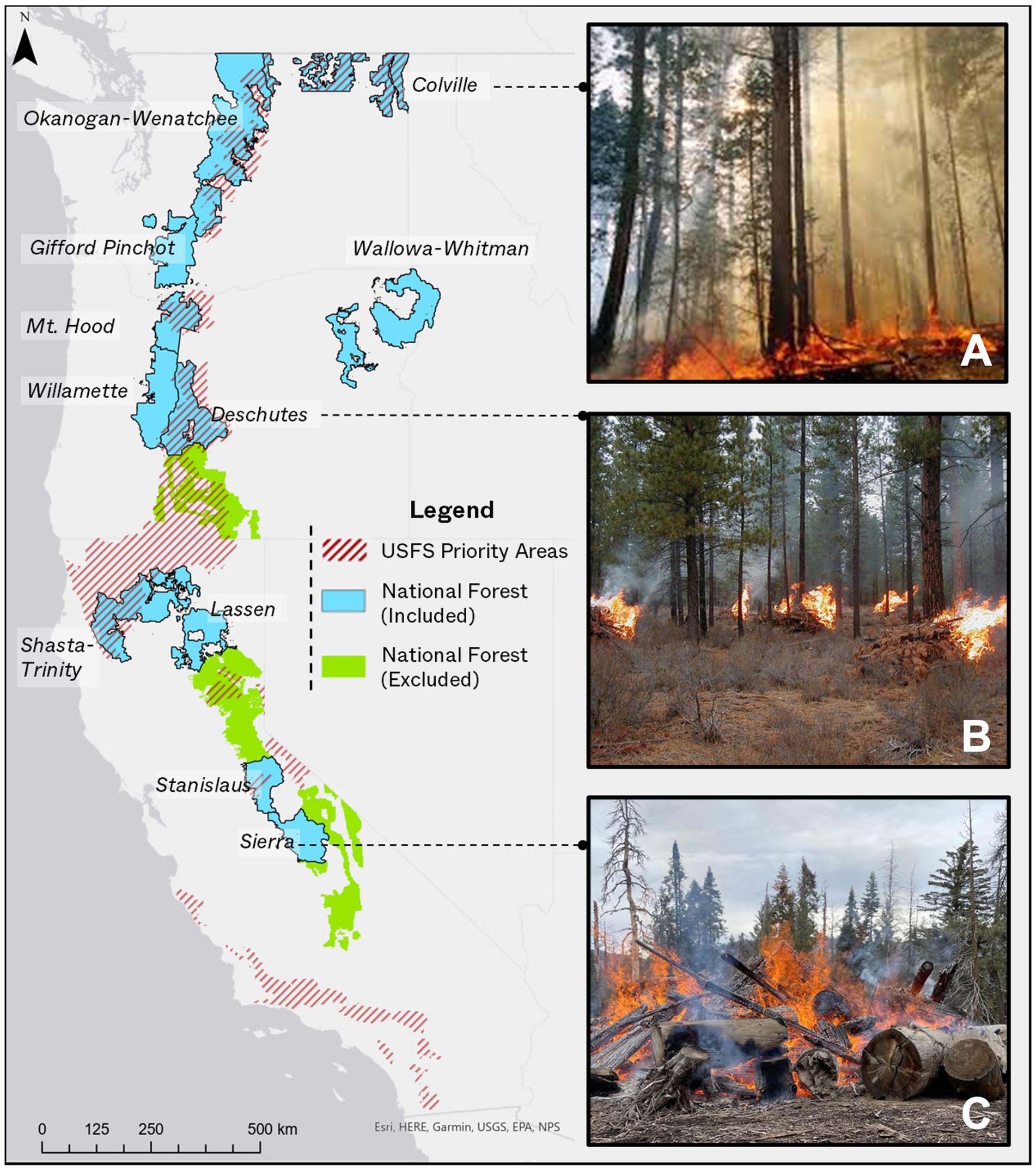
Assessing costs and constraints of forest residue disposal by pile burning

 Jake Barker