Sinéad Crotty
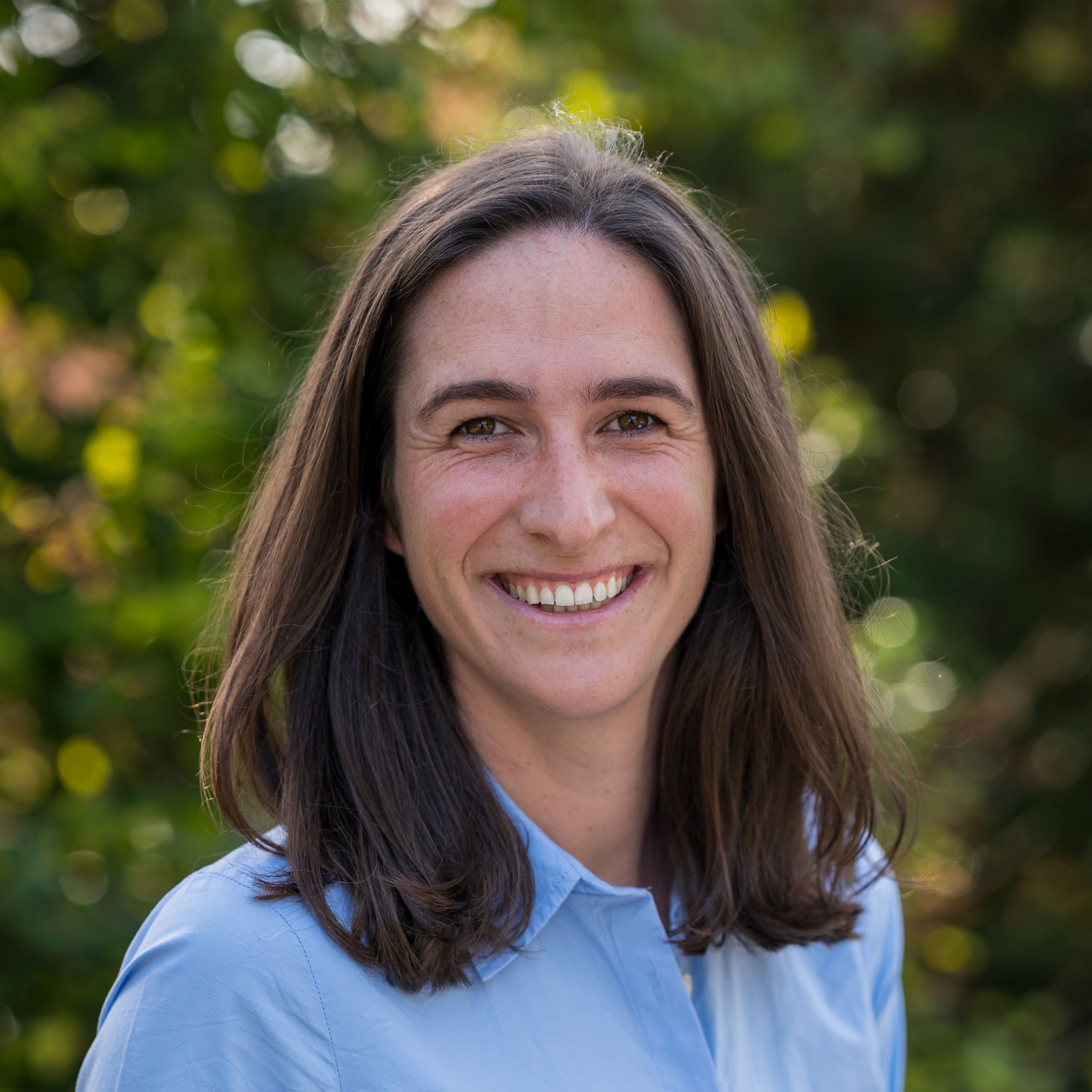
Sinéad is a Managing Director of the CC Lab.
Sinéad Crotty is Managing Director at the Carbon Containment Lab, where she primarily leads research on biomass carbon removal and storage (BiCRS), with a focus on reducing wildfire risk in the western US and building durable, high-integrity pathways for biomass residues. She holds a PhD in environmental engineering from the University of Florida and a BS from Brown University, and brings a background in experimental ecology to her work on the mechanistic drivers of biomass durability in storage (Google Scholar profile). Sinéad is also a Lecturer at Yale College and Yale School of the Environment.
Over the past six years, she has led the Biologic Program's research on BiCRS approaches. Sinéad has deployed over six different replicated field experiments across the United States to better understand the context dependency of BiCRS success. She also leads experimentation on post-wildfire reforestation strategies and modeling of biomass availability in highest risk firesheds. Beyond the Biologic Program, Sinéad supports lab-wide on experimental design, climate modeling, and drafting of carbon credit methodologies.
Her recent publications include: a 2026 review in ACS Chemical Reviews, co-authored with scientists from national labs and leading universities, presenting a durability framework for non-energy BiCRS pathways across terrestrial storage fates; a geospatially-explicit life cycle and technoeconomic analysis of the western US, accepted at Science Advances, comparing the emissions, costs, and carbon efficiency of biomass utilization options against the counterfactuals they would replace; and an internationally-eligible methodology for the recovery and destruction of HFCs in Article 5 countries, approved by the Open Carbon Protocol in 2026 after expert review. She also co-authored a 2025 study in Frontiers in Forests and Global Change quantifying the true costs and emissions of pile burning, the default disposal pathway for wildfire fuels-reduction residue.
Prior to the CC Lab, Sinéad's work utilized hypothesis-driven field experiments along with regional survey techniques, geospatial analyses, and modeling efforts to investigate the effects of climate change on biodiversity, stability and functionality of coastal ecosystems. Sinéad has conducted research across the many coastal systems of the eastern US, including salt marshes, sand dunes, mangroves, cobble beaches, and live oak savannas.